




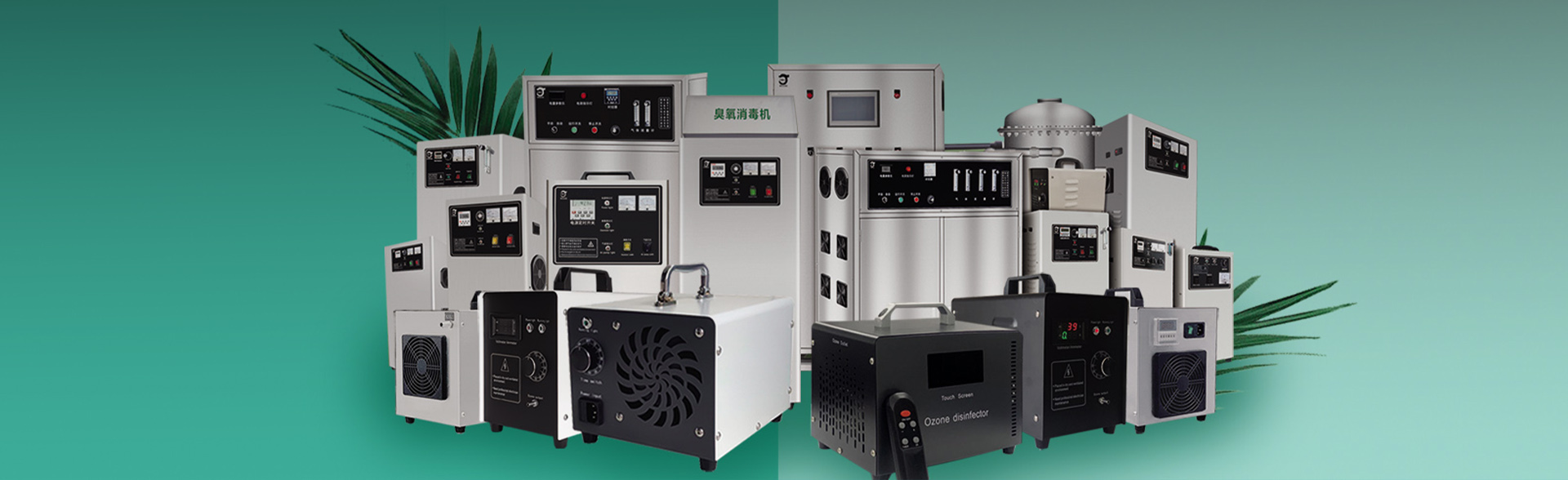
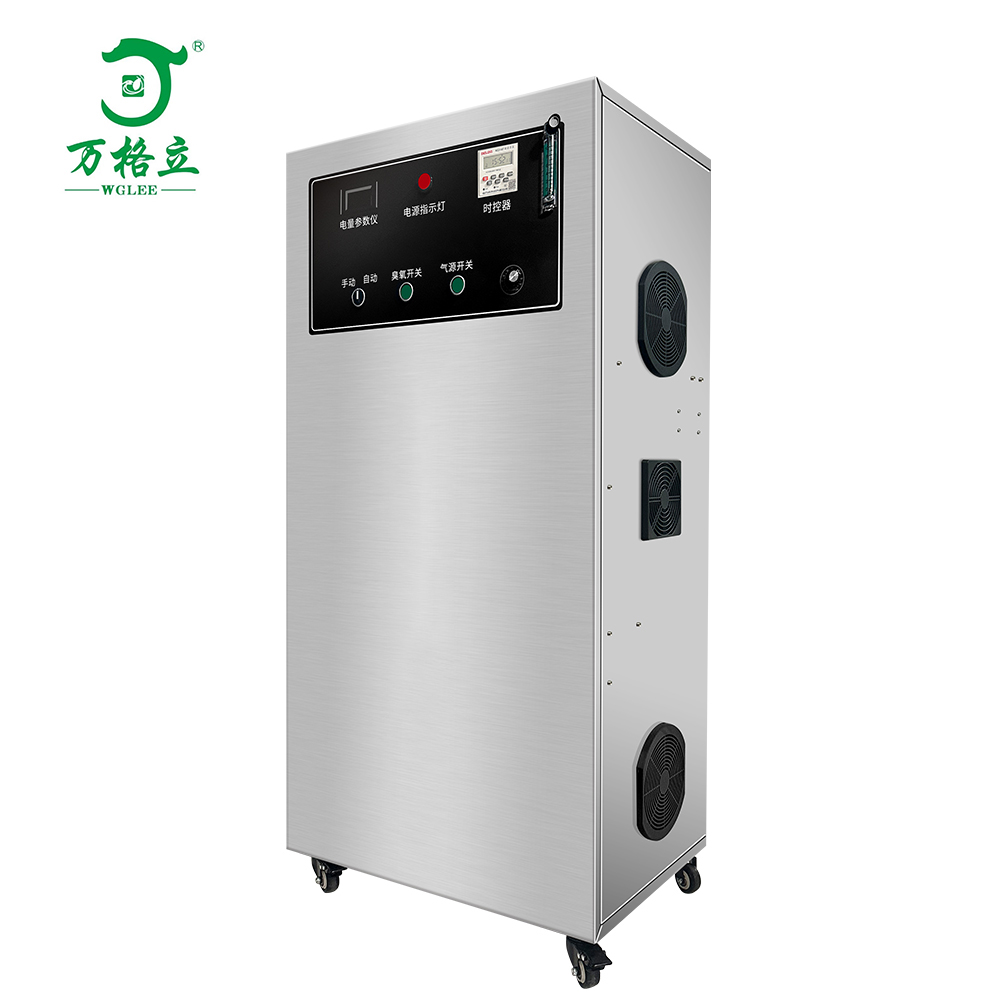
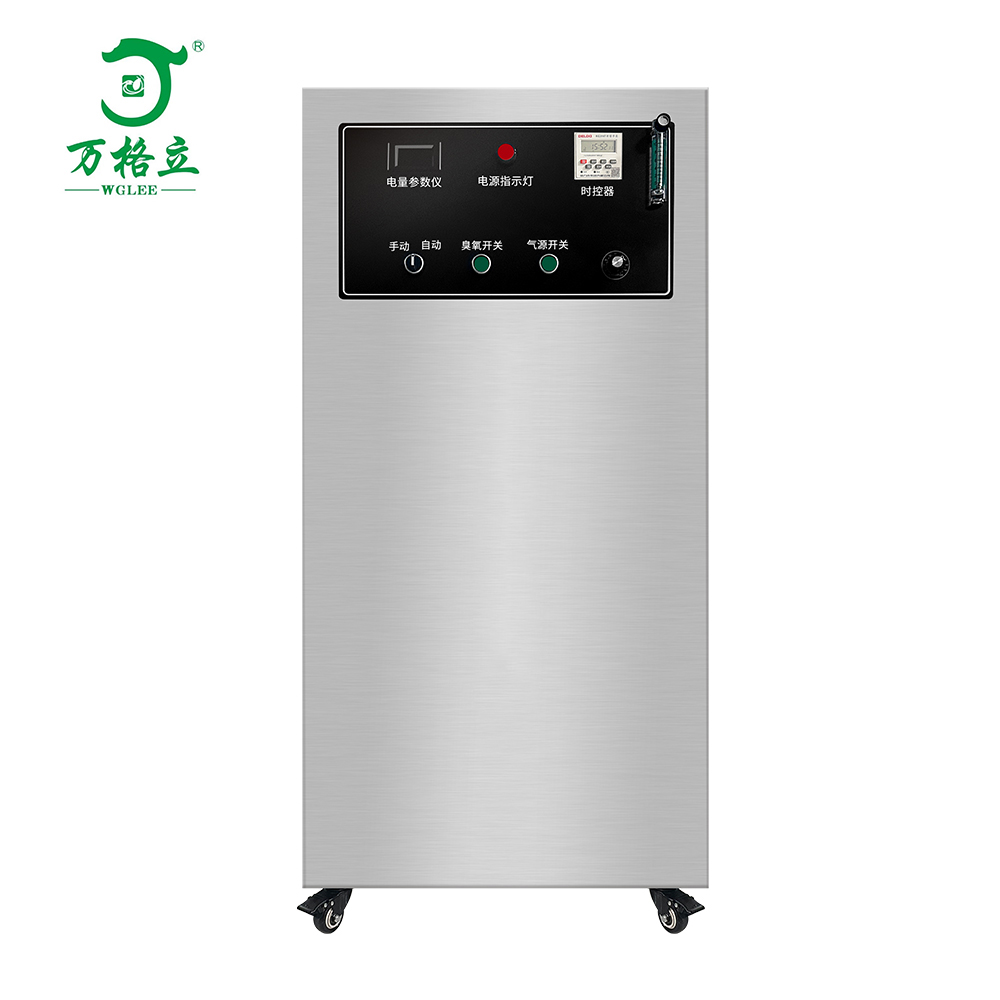
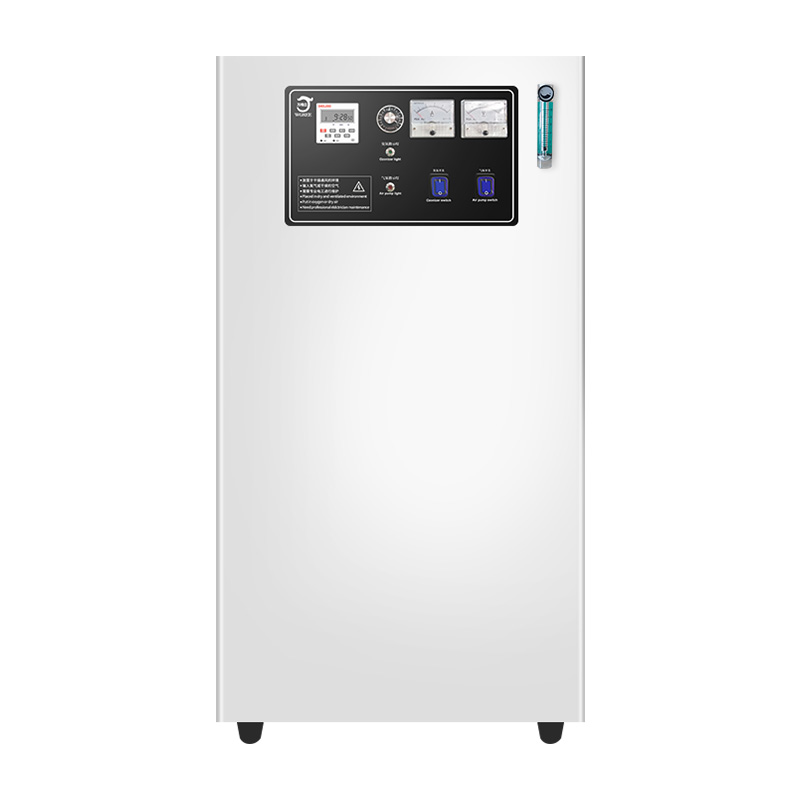
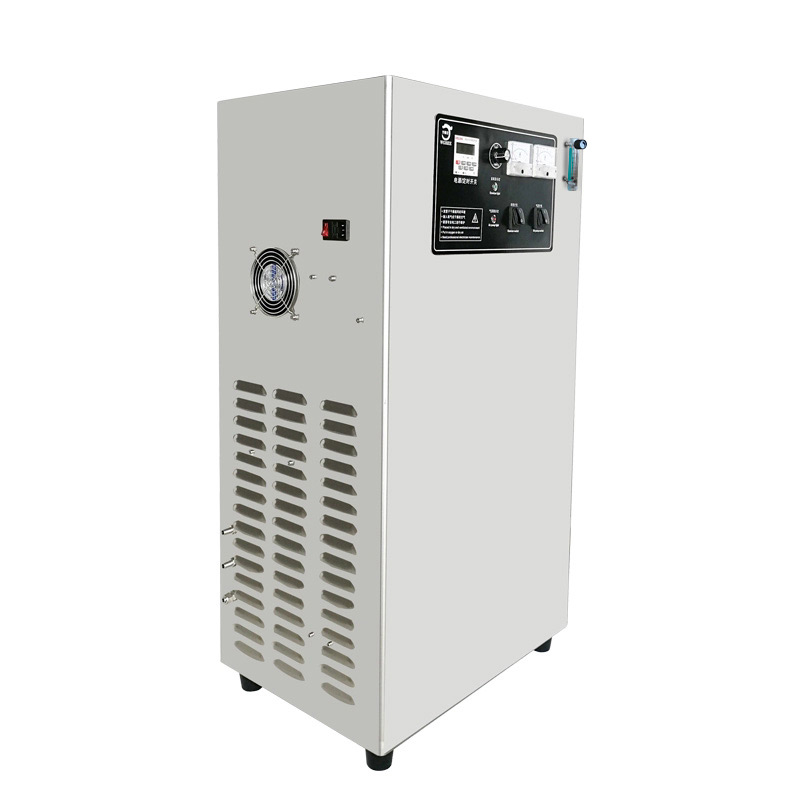
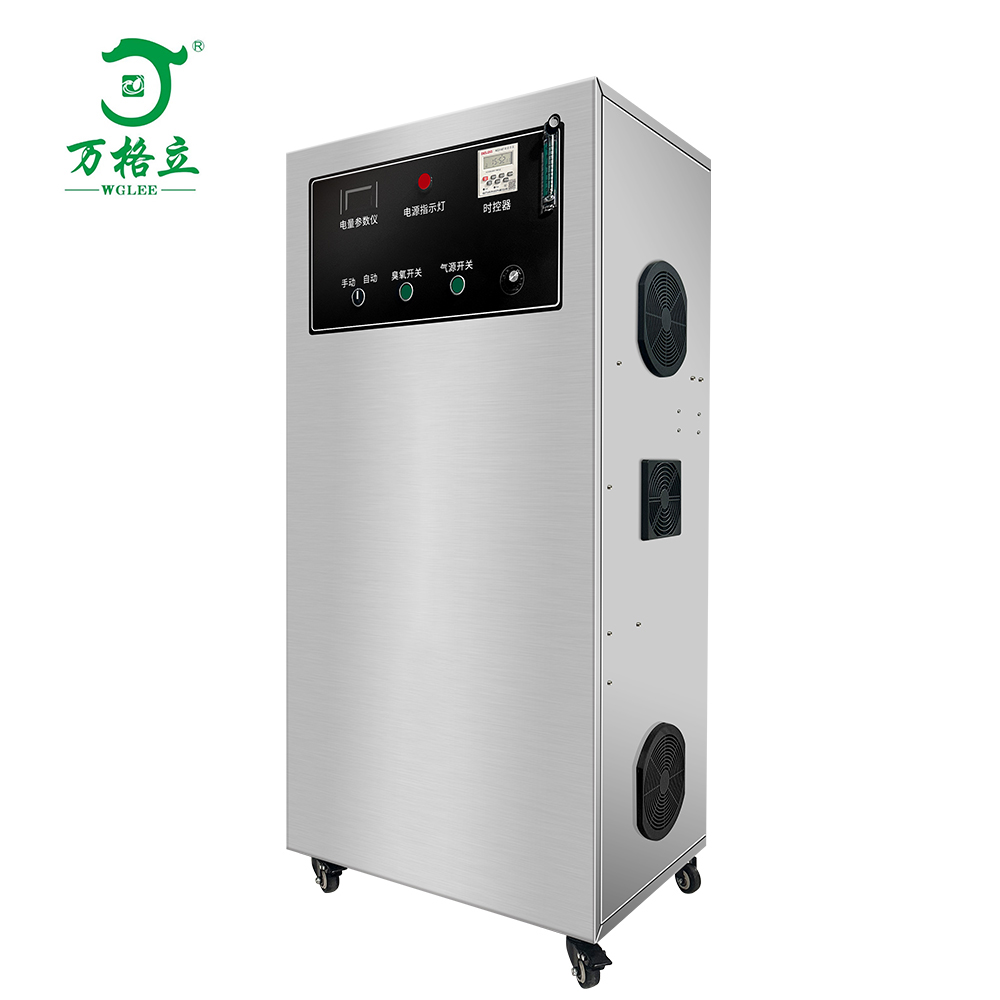
Name: Oxygen Source Ozone Generator
Ozone Generator Technical Parameters
Product Model | WGL-Y-30G | WGL-Y-50G |
Dimensions L*W*H (cm) | 55*40*107 | 60*40*125 |
Ozone Output (g/h) | 30 | 50 |
Ozone Concentration (mg/L) | 70-90 | 80-100 |
Power Consumption (W) | 700 | 1600 |
Input Power | AC220V/50HZ | AC220V/50HZ |
Working Voltage (kV) | 3-7 | 3-7 |
Power Frequency (Hz) | >3000 | >3000 |
Inlet Gas Flow (L/min) | 4-6 | 1-10 |
Inlet Pressure (MPa) | 0.1-0.2 | 0.1-0.2 |
Inlet Temperature (℃) | ≤20 | ≤20 |
Gas Source Dew Point (℃) | ≤50 | ≤50 |
Cooling Water Temperature (℃) | ≤30 | ≤30 |
Cooling Water Ports | 10mm barbed | 10mm barbed |
Gas Source Ports | 10mm quick-connect | 10mm quick-connect |
Cooling Water Flow (L/h) | 1400 | 1400 |
Operating Environment | Ambient temperature ≤45℃, RH≤80%, strictly prohibited in flammable/explosive environments | |
Gas Source | Built-in oxygen generator, oxygen purity ≥93%±3% | |
Machine Configuration | Dual-tower pressure swing adsorption oxygen generator, micro-gap discharge ozone tube, high-frequency high-voltage power supply, air compressor pump, air filter, voltage regulator, cooling fan, control circuit (timer, indicator lights, pump switch, ozone switch, etc.) | |
Main Features | 1. Automatic operation (16 programmable timer settings, time error ±2 sec/month), enables unmanned operation; 2. Manual operation (on-demand switching, can be used anytime for temporary use or experiments); | |
5. Product Construction (Configuration Technical Advantages)
1. Ozone Tube: Dielectric material uses high-purity dehydroxylated quartz tube, hydroxyl content less than 10ppm, SiO2 content over 98%, withstands temperatures up to 1600°C, withstands voltage up to 30KV, far exceeding the peak high voltage of 7KV output by the matching high-frequency high-voltage power supply, preventing burnout from voltage breakdown. Inner Electrode: 316L stainless steel tube, material new grade: 022Cr17Ni12Mo2, corrosion resistance superior to 304 stainless steel. Under continuous high-voltage, high-frequency discharge conditions, it will not oxidize, blacken, rust, or deform after 5 years of use. Discharge Gap: 0.5MM. End Cap Material: PVDF material plug with fluororubber O-ring, oxidation-resistant and acid/alkali resistant, service life up to 8 years.

2. High-Frequency High-Voltage Power Supply: Rectifier frequency conversion circuit. The high-voltage transformer is composed of ferrite magnetic core, polyesterimide/polyamideimide composite enameled wire, and epoxy high-temperature adhesive vacuum potting. Features open-circuit protection, over-current/over-voltage protection, short-circuit protection. High-voltage frequency 3~20KHZ, outputs sine wave waveform, maximizing electrical energy conversion, power factor up to 0.97.
6. Product Features
1. High-Voltage Discharge Type Generator
This type of ozone generator uses a high-frequency power system to cause electrochemical reactions in oxygen molecules within or around the electric field, thereby producing ozone. This ozone generator has the advantages of mature technology, stable operation, long service life, and high ozone output, making it the most widely used ozone generator in related industries domestically and internationally.
2. Safe Ozone Cooling Method
The ozone generator produces a large amount of heat during operation and requires cooling; otherwise, ozone will decompose as it is generated due to high temperatures. Water-cooled generators have excellent cooling effects, stable operation, no ozone attenuation, and can work continuously for long periods.
3. Ozone Generator Discharge Technology
Quartz tubes are most commonly used in high-performance ozone generators due to their high dielectric constant, uniform wall thickness, good ellipticity, high temperature resistance, and moisture resistance. Ceramic plates are brittle and prone to cracking, suitable only for small generators. Ceramic tubes have difficulty controlling wall thickness and ellipticity, easily leading to uneven discharge, so they are less commonly used. Glass tubes and enamel tubes have low dielectric constants, poor high-temperature resistance, and are prone to cracking.
4. Working Principle
When an oxygen-containing gas passes through the discharge gap between two electrodes, some oxygen molecules (O2) are converted into ozone (O3), achieving ozone generation (see Fig. 1). When a changing high voltage is applied to the high-voltage electrode, micro-discharges occur in the discharge gap between the electrodes, decomposing oxygen molecules into free oxygen atoms O. Some free oxygen atoms recombine with undecomposed oxygen molecules to form ozone (O3), i.e., O + O2 = O3. This is known as "corona discharge" or "silent discharge."
In fact, only part of the electrical energy applied to the electrodes is used for ozone generation. Heat is simultaneously generated during the process and must be effectively cooled by cooling water. The ozone generation process is significantly affected by the quality of the feed gas and the temperature of the cooling water. Lower temperatures result in higher ozone generation efficiency.
5. Ozone Process Flow
The ozone generator system consists of: Gas Source System, Ozone Generator Main Unit.

6. This product uses dual ball-bearing high-power fans, high speed and large air volume ensure good heat dissipation for internal heating elements, low ozone concentration attenuation rate, ensuring sufficient ozone output and concentration compliance even after prolonged use.
7. This product uses a silent oil-free compressor, built-in cold-dry filtration system, PSA oxygen generator, providing high-purity oxygen to the ozone generator efficiently and stably. The produced ozone has high concentration, up to 80MG/L, suitable for producing high-concentration ozone water, difficult wastewater treatment, bleaching, decolorization, etc.
8. Ozone is a broad-spectrum sterilant with strong killing effects on various bacteria and viruses. The generated ozone gas has strong oxidation and catalytic effects. Viruses and bacteria in the ozone gas are affected by various free radicals, causing protein dissociation and denaturation, and reducing the activity of nucleic acids and enzymes, thus disinfecting, sterilizing, and purifying the air. Ozone undergoes degradation, oxidation, and other complex physical and chemical reactions with toxic and harmful gases such as formaldehyde, carbon dioxide, and xylene, and the by-products are non-toxic and harmless, avoiding secondary pollution.
7. Product Applications
1. Air Purification (Place the outlet pipe where purification is needed)
(1) Hotel room disinfection, car disinfection, office disinfection
(2) Production workshop sterilization and disinfection, bed sheet disinfection, ward disinfection, school disinfection
(3) Preventing bacterial infections in mushroom and fungus cultivation
(4) Food processing plant sterilization, preservation, odor removal
(5) VOC waste gas treatment, effect superior to photolysis
2. Water Treatment (Bubble mixing in water / Venturi injector mixing / Gas-liquid mixing pump)
(1) Disinfection of tableware, drinkware, tea sets in restaurants, canteens, hotels, etc.
(2) Raw water treatment, tap water treatment, wastewater and sewage treatment
(3) Water used in laundries to prevent bacterial infections
(4) Floor spraying, mopping, and cleaning
(5) Difficult wastewater treatment, decolorization, COD degradation
(6) Decolorization of wastewater from printing and dyeing factories
8. Sterilization Capability
Ozone has extremely strong oxidizing properties and is recognized worldwide as a broad-spectrum, high-efficiency sterilant. Its oxidizing power is higher than chlorine, and it sterilizes in water 600-3000 times faster than chlorine, even killing bacteria within seconds. For common bacteria such as E. coli, fecal streptococcus, Pseudomonas aeruginosa, Staphylococcus aureus, and molds, in an environment with an ozone concentration maintained at 0.3 PPM for 5 minutes, the kill rate can reach over 99%. Its sterilization and disinfection effects occur almost instantaneously. When the ozone concentration in water reaches 0.3-2 mg/L, bacteria can be killed within 0.5-1 min. The required dosage of ozone water to achieve the same sterilization effect (e.g., 99% kill rate for E. coli) is only 0.0048% of that of chlorine.